Briefing a Boat Designer: The Owner’s Checklist
To brief a boat designer for a custom dive tender, hand over decisions, not adjectives.

To brief a boat designer for a custom dive tender, hand over decisions, not adjectives. A designer can work with “twelve divers plus two crew, 38-mile round trips across the Dampier Strait, 20-knot loaded cruise, beach landings weekly, aluminium preferred, budget ceiling in USD”; they cannot work with “fast, safe, and comfortable.” The owner’s checklist below turns your operation into the dozen concrete facts a designer needs, in the order they need them — and it is the same sheet we complete with owners at the start of every Raja Ampat commission.
Section one: the operation, in numbers
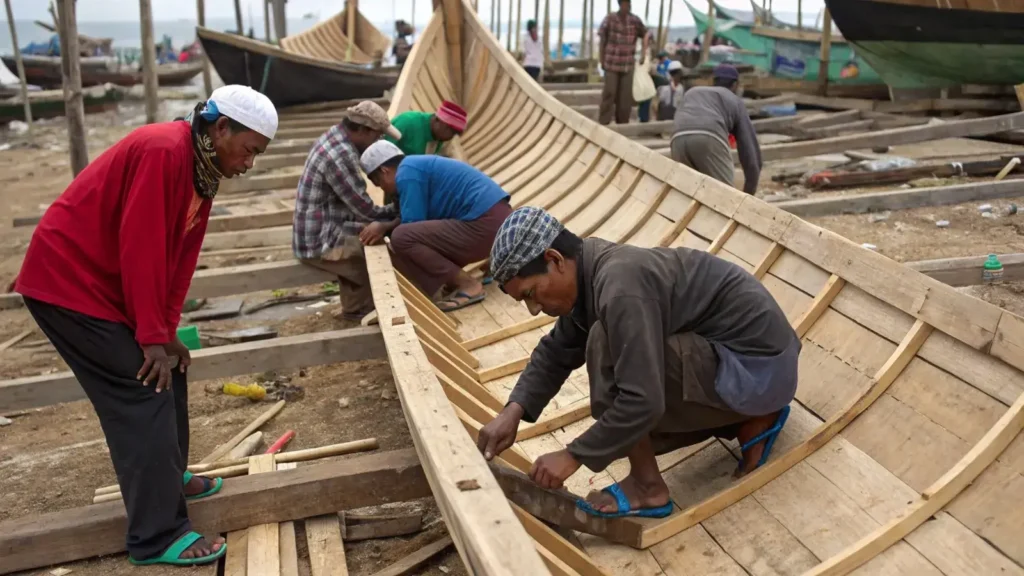
Write down: operating area and the two or three routine routes with distances; maximum and typical passenger or diver counts; crew count; the heaviest single load (compressor, spare engine, drums); required cruise speed at full load and why; the sea state you operate in before cancelling; and how often the boat touches beach or reef edge deliberately. These seven answers drive length, beam, displacement, power, and hull form — the chain explained in the tender specification guide. Vague answers here become expensive change orders later.
Section two: constraints the designer cannot guess
Every operation carries constraints invisible from a drawing office: davit capacity and lifting points if the boat serves a mothership; maximum draft for your home jetty or lagoon sill; engine brands your local mechanics actually support, per the outboard selection article; fuel availability on your routes; storage limits at your base; and any flag, class, or local certification requirements. List them all, with numbers where numbers exist. A brilliant design that cannot be lifted, moored, fuelled, or certified where you operate is a failed design.
Section three: the deck, described as a working day
Rather than sketching furniture, describe a full operating day: where guests board, where they kit up, how many cylinders are aboard and where they rack, how divers enter and exit, where cameras live, what happens in a squall, who drives and what they must see. This narrative gives the designer the flow logic behind good deck layout without locking them into your amateur drawing — which almost always contains a contradiction a professional would have avoided.

Section four: budget, honestly, in USD
State the all-in budget — hull, engines, electronics, delivery, spares — and separately the portion you hold as contingency (ten to fifteen percent is realistic on custom work). Designers make hundreds of cost trade-offs; hiding the real number guarantees they make them against the wrong target. Say also what you would cut first if pressed, and what is untouchable. This is also the moment to fix material preference and its reasoning, drawing on the hull material guide.

Section five: what you should expect back
A competent response to a good brief is: a preliminary specification restating your numbers, a general arrangement drawing, a weight and stability estimate, a power and range calculation, and a cost band — before any construction contract is signed. If the response is a glossy render and a price, keep looking. When we manage a commission, this brief-and-response loop happens before yard selection, and the finished sheet becomes the reference document the build is supervised against — the sequence described in the commissioning guide and applied through our Papua commissioning service.

The questions a good designer will fire back
A brief is the opening of a conversation, and the quality of the return questions tells you who you are dealing with. Expect a serious designer to probe your payload honesty (“twelve divers — with cameras? with stages?”), your speed requirement (“what does arriving fifteen minutes later actually cost you?”), your beach-landing frequency, your maintenance capability, and your five-year plan for the boat. Weak questions — colour, upholstery, brand of chartplotter — this early are a warning. Answer the hard questions in writing and ask your own: what similar boats has the designer delivered, at what final weight against estimate, and may you speak with two owners? References checked before contract cost nothing and reprice everything. Ask specifically about the last boat that went wrong and how it was resolved; every experienced designer has one, and the honest telling of it is worth more than a portfolio of renders. A designer who claims a flawless record is curating, and a brief built on curation inherits its blind spots.
From brief to specification: keeping the thread intact
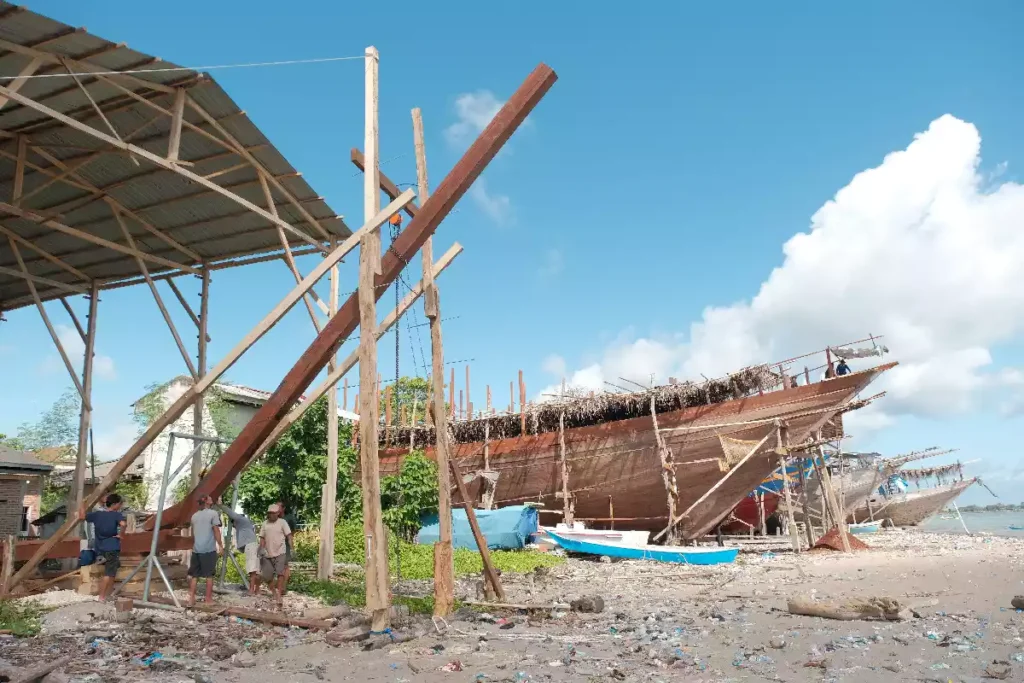
The brief’s numbers must survive the journey into the signed specification, and drift happens in translation. The control is traceability: every requirement in the brief appears as a numbered line in the specification, and every specification line traces back to a requirement or is flagged as a designer’s addition for discussion. When the yard proposal arrives, check it against the specification line by line before signing — the items that quietly vanished are always the unglamorous ones: the second bilge pump, the isolation washers, the oversized scuppers. This paper discipline takes hours and governs years; it is the same thread that later runs through staged payments and trials acceptance.
Frequently Asked Questions
Do I need a naval architect for a small dive tender?
For an established production design, no — the engineering exists. For a custom hull, or meaningful modifications to a stock design, yes: stability, structure, and load calculations on a commercial passenger-carrying boat are not places to improvise. Fees are a small percentage of build cost and routinely pay for themselves.
How detailed should my first brief be?
One to two pages of the numbers and constraints above. More detail is welcome; less is a conversation, not a brief. The single worst omission is honest budget, followed closely by real payload.
Can I change the specification during the build?
Minor changes early, yes, through written change orders with agreed cost and schedule impact. Structural changes after plating or lamination has begun are where budgets die. A thorough brief and a signed specification exist precisely to make mid-build changes rare.
Raja Ampat Boat Builder Desk — a specialist maritime brand under Juara Holding Group. Construction contracts issued by PT Komodo Galangan Nusantara. WhatsApp +62 811-3941-4563 · bd@juaraholding.com
When the brief is ready, route it through a naval-architecture and design coordination desk so drawings, weights and class questions are answered before any yard quotes.