Working With Class and BKI on New-Build Wooden Tour Boats
Class involvement changes how a wooden boat is designed, built and documented — and it has to be decided before the keel is laid.
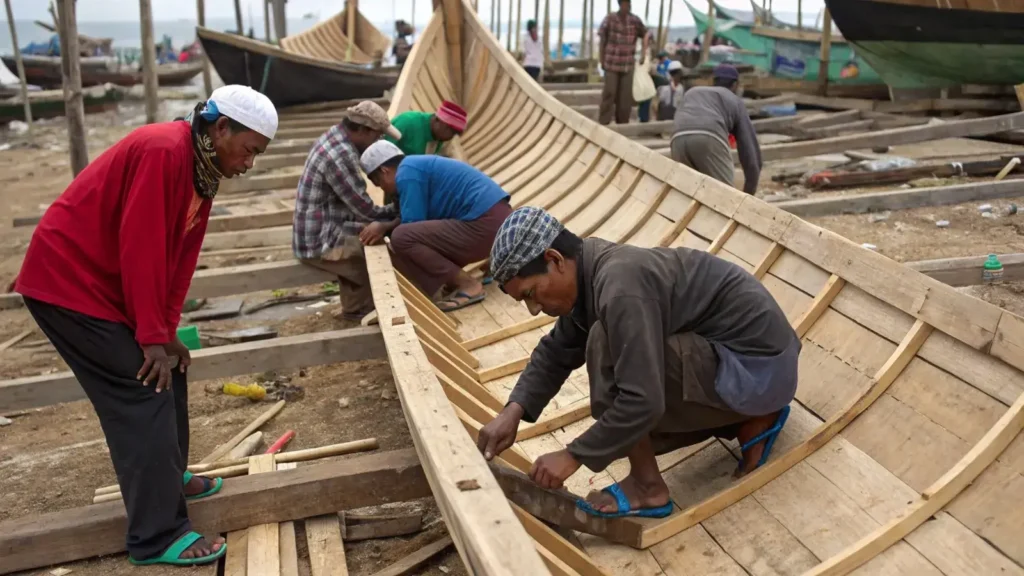
Class involvement changes how a wooden boat is designed, built and documented — and it has to be decided before the keel is laid. Whether BKI or another recognised body is required depends on vessel size, type, intended service and what clients or insurers demand. This article explains how class work fits into a new-build programme and how to prepare for survey stages. Confirm current requirements with the relevant authority or survey body; rules change.
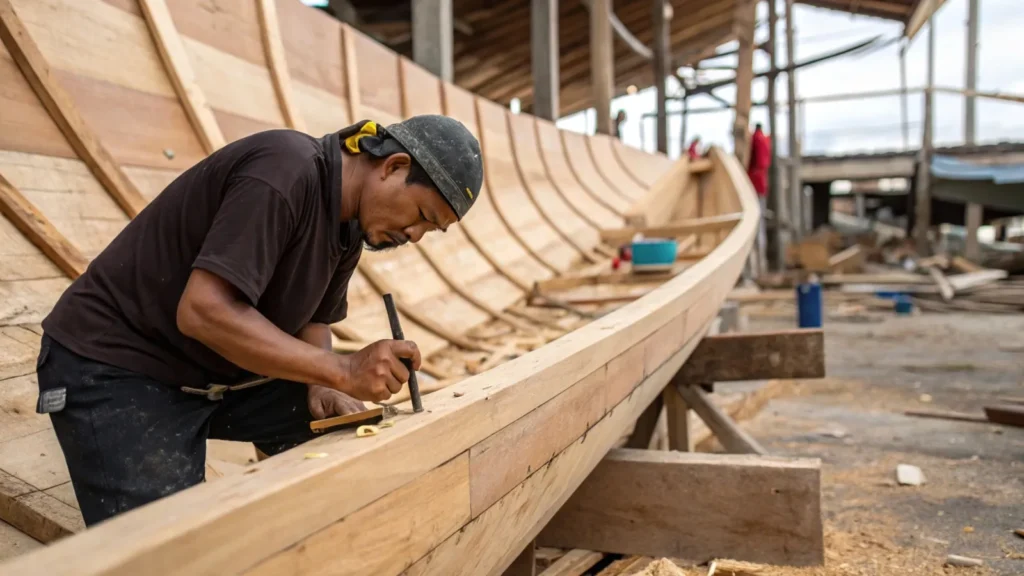
When class involvement typically applies
Four triggers commonly bring class into a project:
- Vessel size and passenger numbers crossing regulatory thresholds.
- Overnight passenger carriage, which raises fire protection, escape and life-saving requirements.
- Insurer requirements — underwriters frequently want a classed vessel before offering meaningful cover.
- Client and charterer requirements — international agents and corporate charterers often require documentation regardless of statutory minimums.
Small homestay boats generally sit outside this, though they still need registration, safety equipment and operating permission — see permits and certificates.
What class does to a wooden design
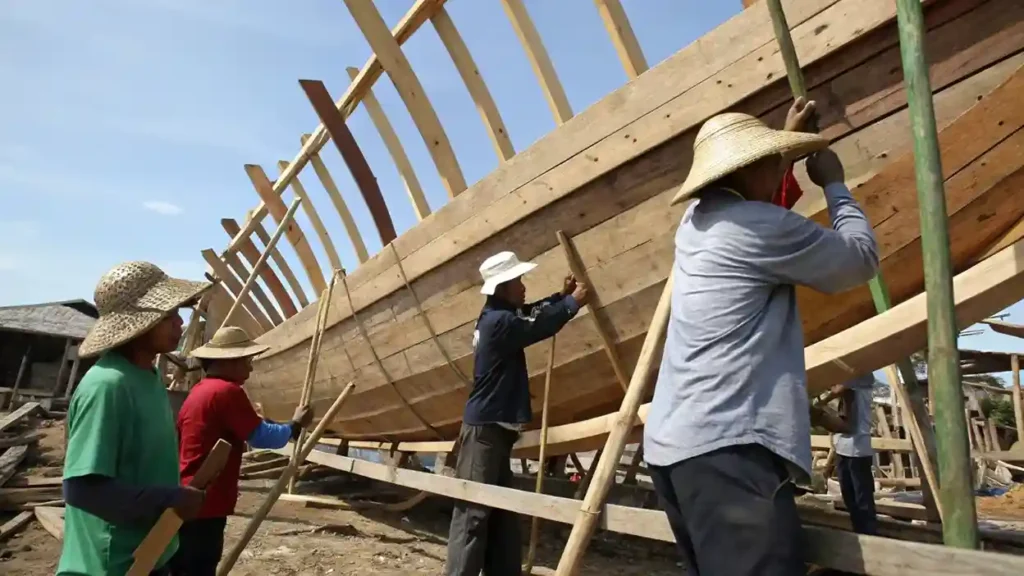
Classification societies publish rules for wooden vessel construction covering scantlings, fastening, structural arrangements and material quality. Practical effects on a build:
- Scantlings are prescribed rather than traditional. Frame dimensions, spacing, planking thickness and fastening patterns follow the rules, which may differ from local building practice.
- Materials must be documented. Timber species, grading and moisture content need records rather than the builder’s judgement alone.
- Structural arrangements are formalised. Bulkhead positions, watertight subdivision and penetrations are drawn and approved before they are built.
- Systems follow rules too. Fire protection, bilge arrangements, fuel systems and electrical installations all have applicable requirements.
None of this is incompatible with traditional craftsmanship. It does require a builder willing to work to drawings and keep records — which is a genuine selection criterion when choosing where to build.

Survey stages during construction
| Stage | What is typically examined |
|---|---|
| Plan approval | Drawings and calculations reviewed before construction begins |
| Material inspection | Timber and key materials verified against specification |
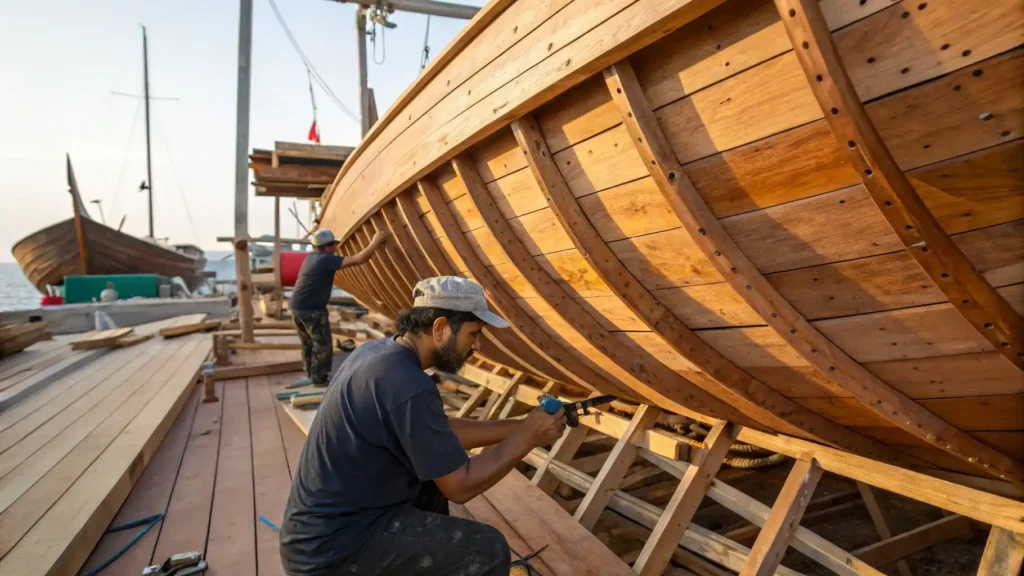
| Structure in frame | Keel, frames and structural arrangement while still visible |
| Planking and fastening | Fastening pattern and workmanship before surfaces are closed |
| Systems installation | Machinery, fuel, bilge, fire protection and electrical work |
| Sea trials | Stability, machinery performance and safety systems in operation |
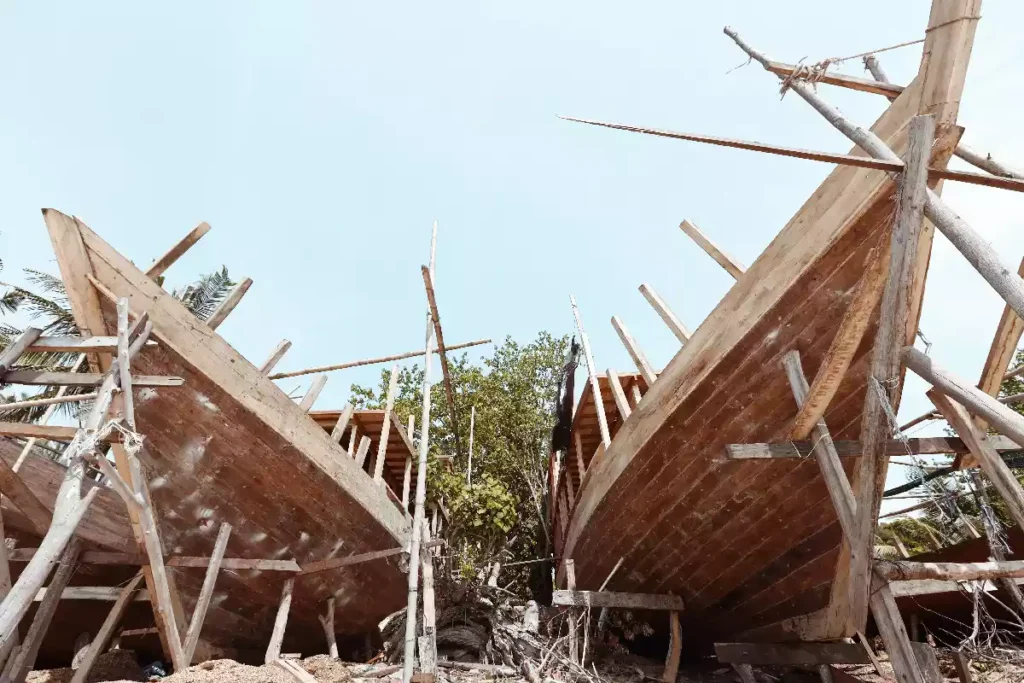
The critical scheduling point: several of these inspections happen while work is open. If planking closes over structure before it has been examined, it may have to be opened again. Survey attendance therefore has to be built into the construction programme, not fitted around it.
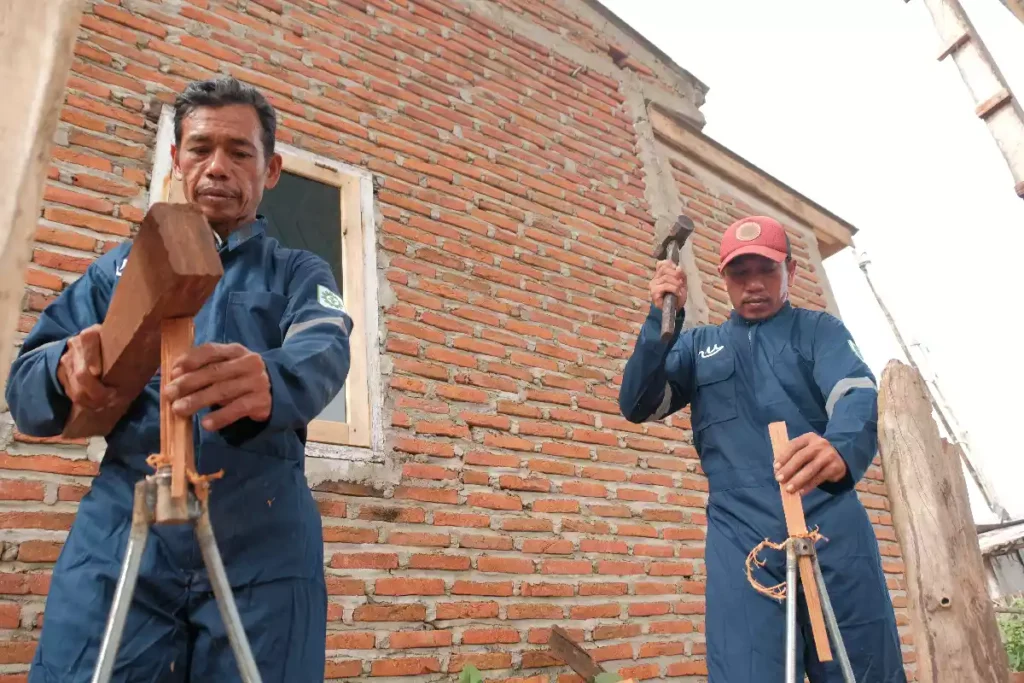
Ringkasan Bahasa Indonesia — sertifikat BKI untuk kapal kayu
Apakah kapal kayu wisata wajib bersertifikat BKI? Bergantung pada ukuran kapal, jenis pelayaran, jumlah penumpang, serta persyaratan asuransi dan mitra usaha. Kapal yang membawa penumpang menginap dan kapal berukuran besar umumnya memerlukan keterlibatan klasifikasi.
Bila jalur klasifikasi dipilih, konsekuensinya: ukuran gading, tebal papan, dan pola pengencang mengikuti aturan klasifikasi; jenis dan mutu kayu harus terdokumentasi; susunan struktur dan sekat disetujui melalui gambar sebelum dibangun; serta sistem bahan bakar, bilga, kelistrikan, dan proteksi kebakaran mengikuti ketentuan yang berlaku. Survei dilakukan bertahap selama pembangunan, dan beberapa tahap harus dilakukan saat konstruksi masih terbuka. Konfirmasikan persyaratan terkini langsung kepada badan klasifikasi atau instansi berwenang.
Choosing a builder who can work under class
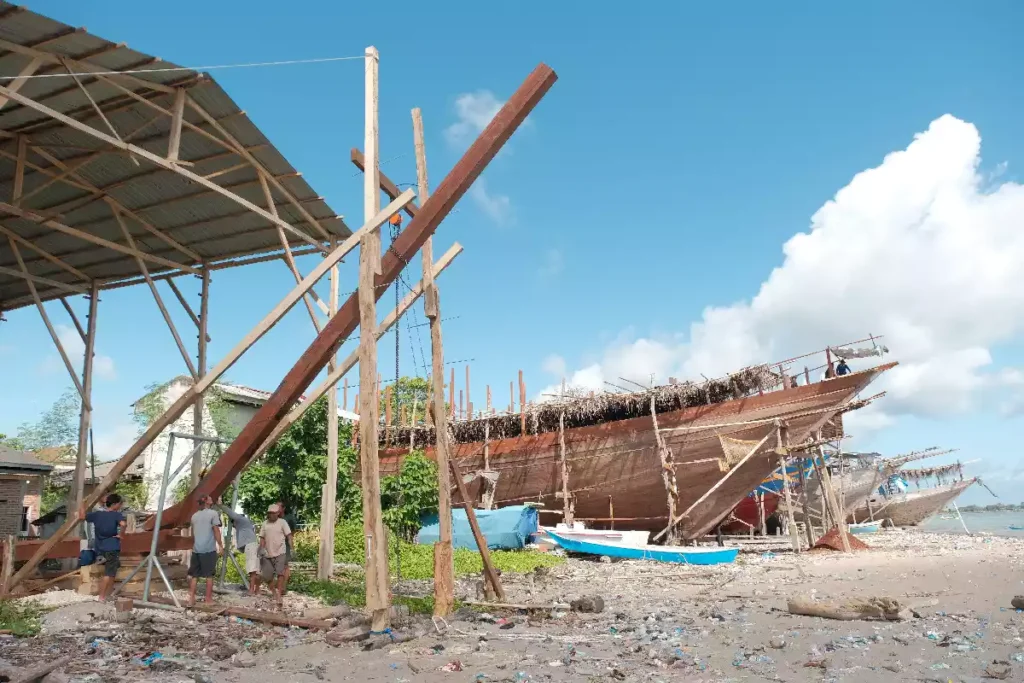
Not every yard that builds beautiful wooden boats can work under classification supervision, and the difference is administrative rather than technical. A yard suited to class work keeps material records, builds to approved drawings rather than to memory, photographs structure before closing it, and can pause work to wait for a surveyor without losing the thread. Ask to see documentation from a previous classed build before committing. Craftsmanship without records will not pass survey, and discovering that in month eight is expensive.
How to prepare
- Decide the route at concept stage so drawings are produced to the right rules from the start.
- Choose a builder comfortable with documentation, not only with craftsmanship.
- Programme survey attendance into the build schedule, with buffer for travel to the building site.
- Keep records continuously — material certificates, photographs of structure before closing, fastening records, test results.
- Budget the cost honestly: plan approval, survey attendance, travel, and the schedule impact of waiting for inspections.
Is class worth it if not strictly required?
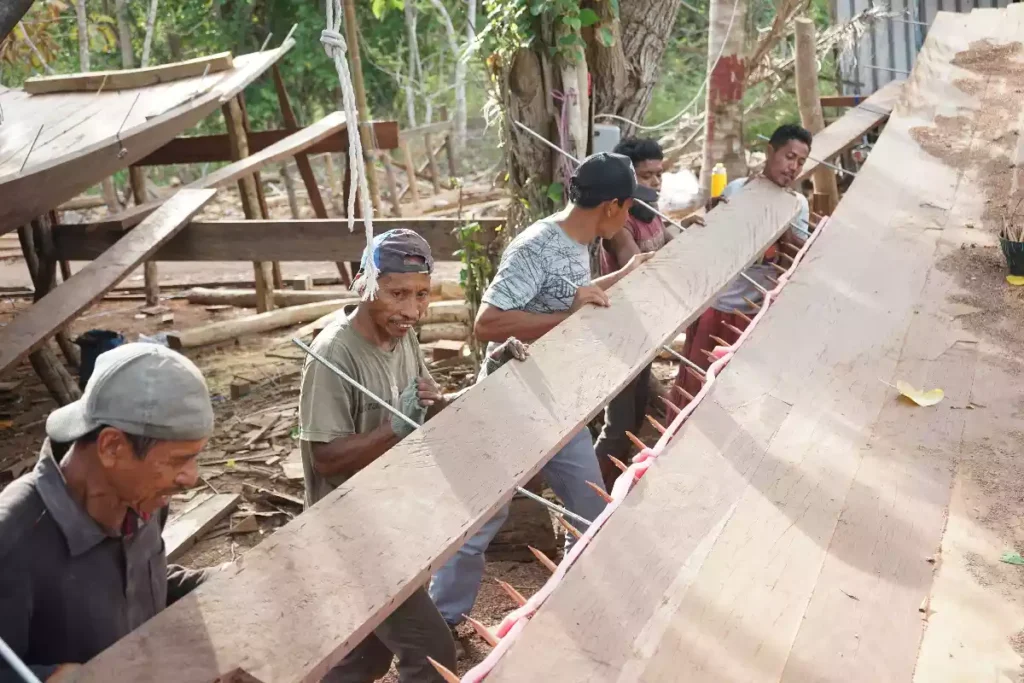
For a small homestay boat, usually not. For a liveaboard carrying international guests, frequently yes even where not mandatory — it improves insurability, satisfies agents and charterers, imposes a documentation discipline that raises build quality, and supports resale value. The decision belongs in the investment model rather than being treated as pure cost: see investment analysis and pricing and investment.
Material context: hull material options. Vessel context: liveaboard new-builds. To discuss a certification route, contact +62 811 3941 4563 or bd@juaraholding.com.
Frequently Asked Questions
Apakah kapal kayu wisata memerlukan sertifikat BKI?
Bergantung pada ukuran kapal, jenis pelayaran, jumlah penumpang, serta persyaratan asuransi dan mitra usaha. Kapal yang membawa penumpang menginap dan kapal berukuran besar umumnya memerlukan keterlibatan klasifikasi. Persyaratan terkini wajib dikonfirmasi kepada badan klasifikasi atau instansi berwenang.
Can build planning be aligned with BKI survey preparation?
Yes. Design and construction can be planned to the applicable rules so that structure, systems and documentation are ready at each survey stage. Several inspections must happen while work is still open, so survey attendance is scheduled into the construction programme rather than fitted around it.
What does class involvement change on a wooden boat?
Scantlings, frame spacing, planking thickness and fastening patterns follow published rules rather than traditional practice; timber species, grading and moisture content must be documented; bulkheads and penetrations are approved on drawings before being built; and fuel, bilge, electrical and fire protection systems follow applicable requirements.
Is classification worth it when it is not mandatory?
For a small homestay boat, usually not. For a liveaboard carrying international guests it frequently is, because it improves insurability, satisfies agents and charterers, imposes documentation discipline that raises build quality, and supports resale value.