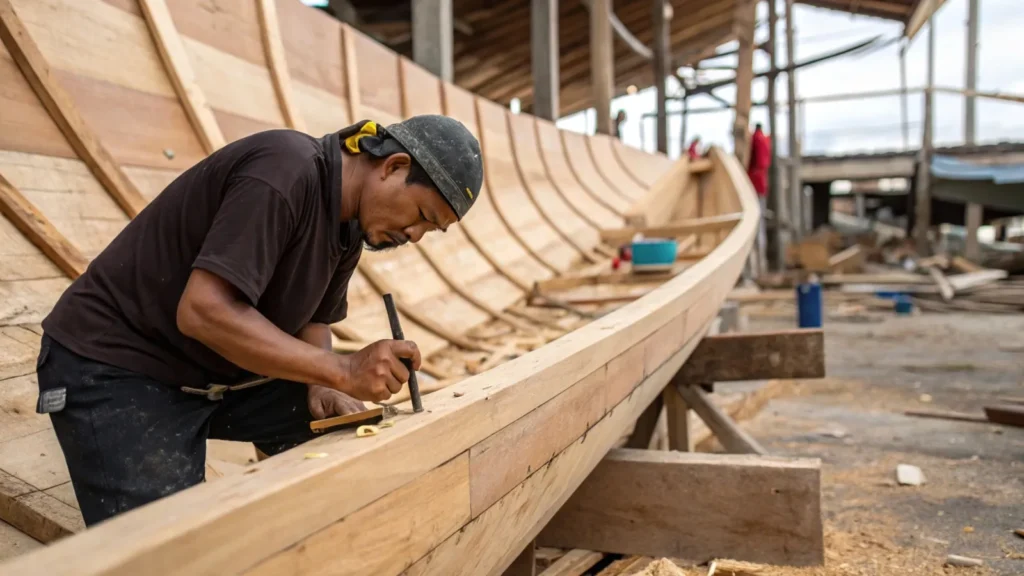
Homestay Boats, Day Trip and Support Workboat New-Builds
Homestay boats and support workboats are the working backbone of Raja Ampat tourism, and they should be built to a completely different philosophy from a charter yacht.
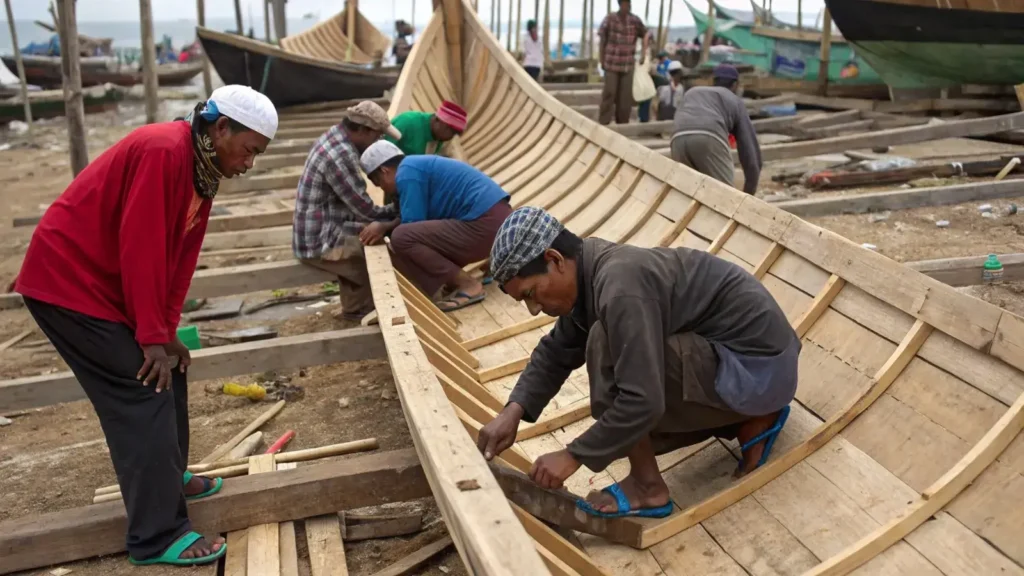
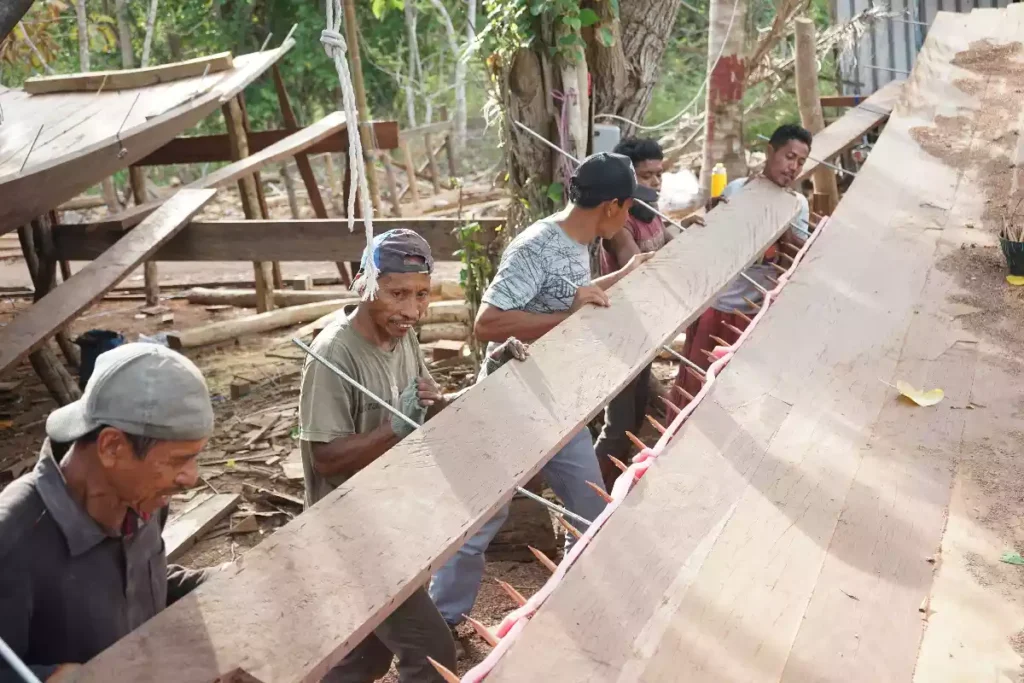
Homestay boats and support workboats are the working backbone of Raja Ampat tourism, and they should be built to a completely different philosophy from a charter yacht. Simple, shallow, repairable, and sized to the demand that actually exists. Indicative budgets run USD 25,000–350,000 depending on type. Construction contracts are issued by PT Komodo Galangan Nusantara, and all figures on this site are in USD.
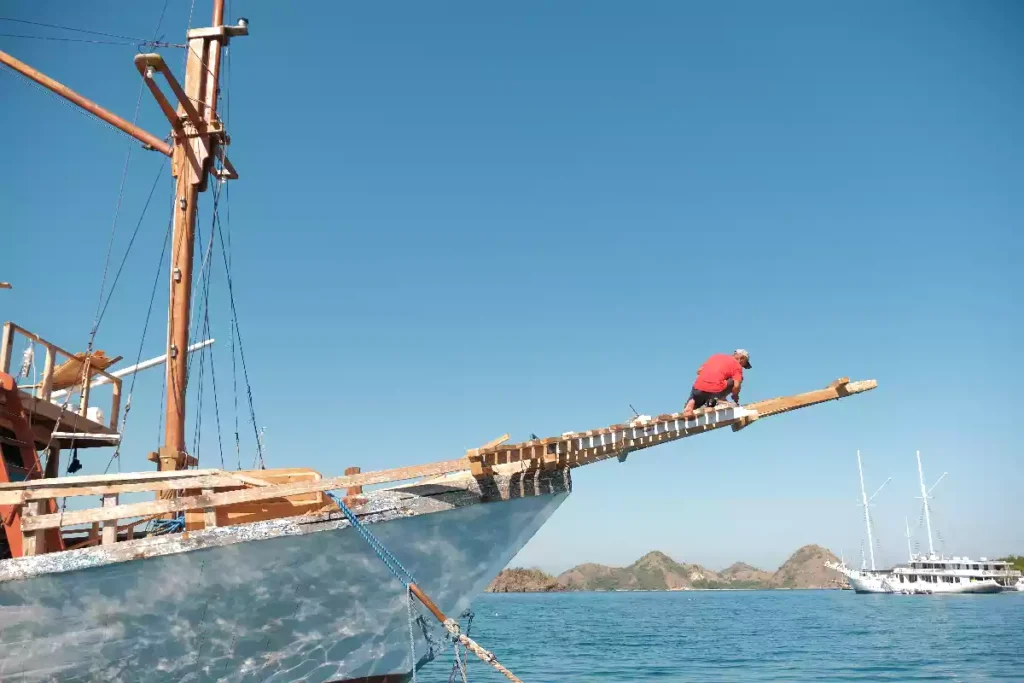
Kapal untuk homestay dan operator lokal
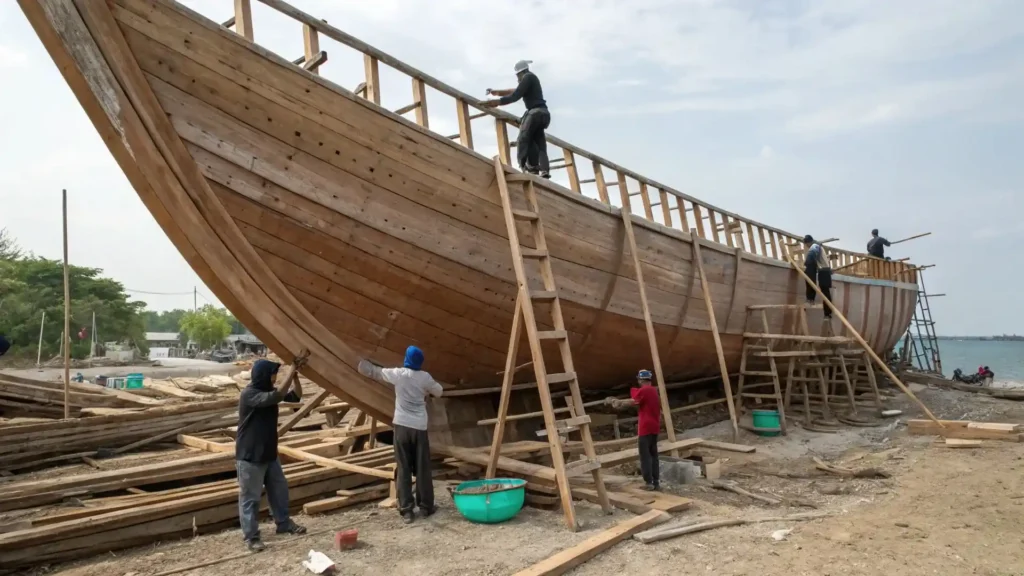
Bagi pemilik homestay dan operator lokal di Raja Ampat, kapal adalah investasi terbesar dalam usaha. Prinsip kami sederhana: bangun kapal yang bisa diperbaiki di kampung sendiri, dengan mesin yang suku cadangnya tersedia di Sorong atau Waisai, dan ukuran yang sesuai jumlah tamu nyata — bukan jumlah tamu yang diharapkan. Kapal 10 meter yang penuh empat hari seminggu lebih menguntungkan daripada kapal 14 meter yang setengah penuh enam hari seminggu, karena biaya bahan bakar dan awak mengikuti ukuran lambung, bukan jumlah pemesanan.
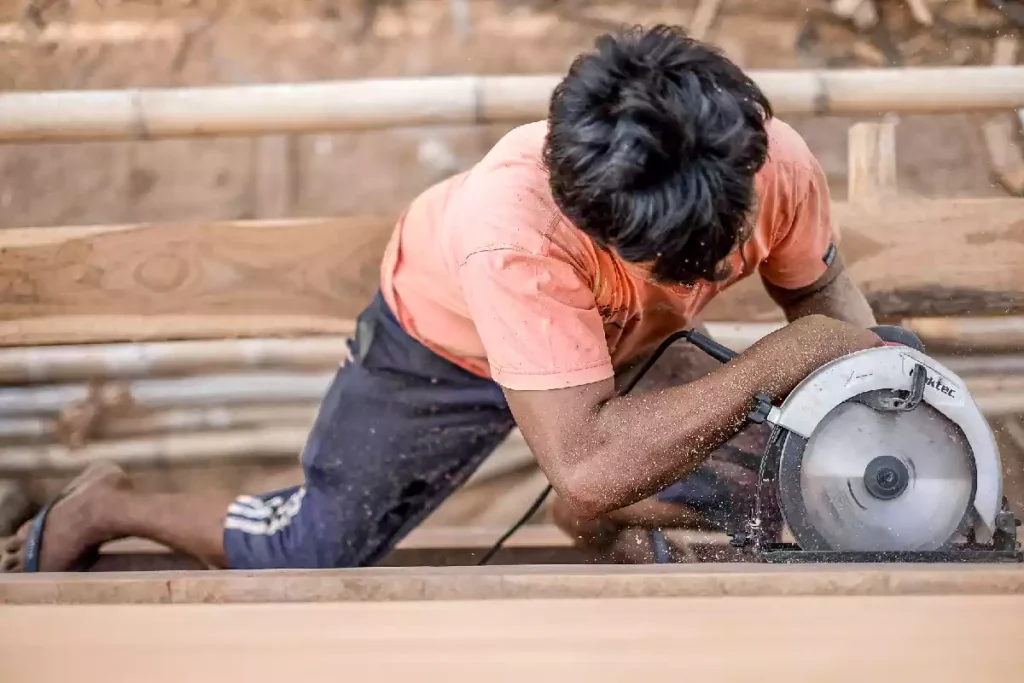
Vessel types
| Type | Typical configuration | Indicative USD |
|---|---|---|
| Homestay snorkel boat | 8–10 m, single outboard, 8–12 guests, full canopy, bench seating | 25,000 – 60,000 |
| Larger day trip boat | 11–13 m, twin outboards, 16–24 guests, shaded deck, small head | 70,000 – 150,000 |
| Supply and cargo workboat | 10–14 m, open deck, fuel and water carriage, shallow draft | 70,000 – 200,000 |
| Crew and staff transfer | 10–12 m, hard top, cargo space, twin outboards | 90,000 – 180,000 |
| Research or ranger patrol craft | 12–16 m, extended range, work deck, equipment stowage | 150,000 – 350,000 |
These are turnkey planning figures excluding owner-supplied electronics and delivery. See pricing and investment.
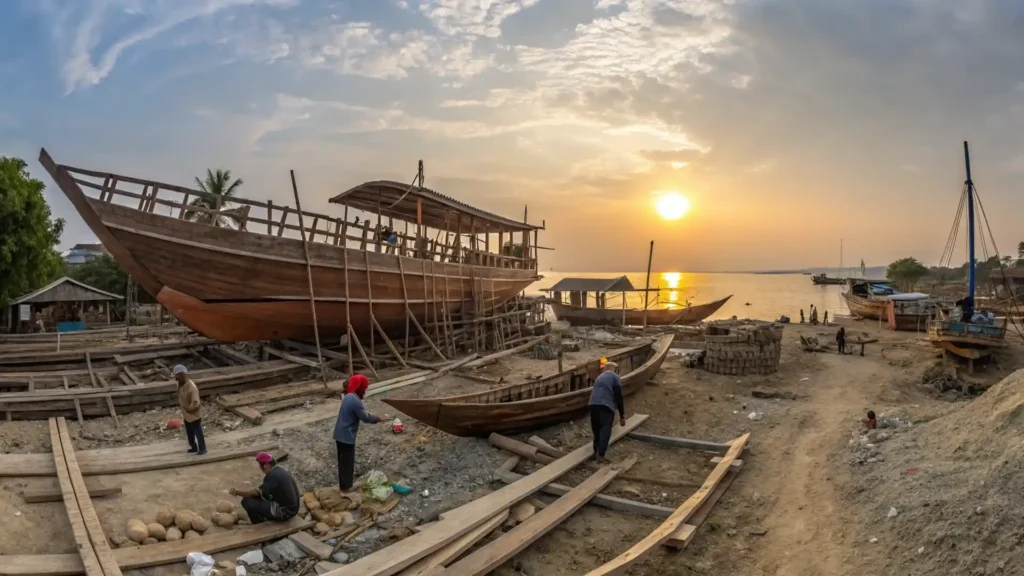
Design principles for working boats
Shallow draft, deliberately. Homestay and supply boats land on beaches, work reef edges and enter mangrove channels. Draft is a commercial constraint: it decides where the boat can earn. See shallow draft designs.
One engine brand, locally supported. Standardising the whole fleet on a brand with a live parts pool in the region is worth more than any performance advantage. It also means one set of spares covers several boats.
Nothing that cannot be diagnosed locally. Proprietary control systems, integrated digital dashboards and sealed electronic modules are liabilities three hours from the nearest workshop. Simple wiring, visible fuel filters, accessible bilge pumps and a manual backup for anything critical.
Shade and dry stowage as standard. Guests spend hours aboard. A canopy that covers seated passengers at real sun angles and sealed lockers that keep bags genuinely dry are what guests remember.
Boarding that works both ways. Most of these boats have to load at a jetty and at a beach. Design the boarding arrangement for both from the start; it is the first thing owners modify when it was an afterthought.
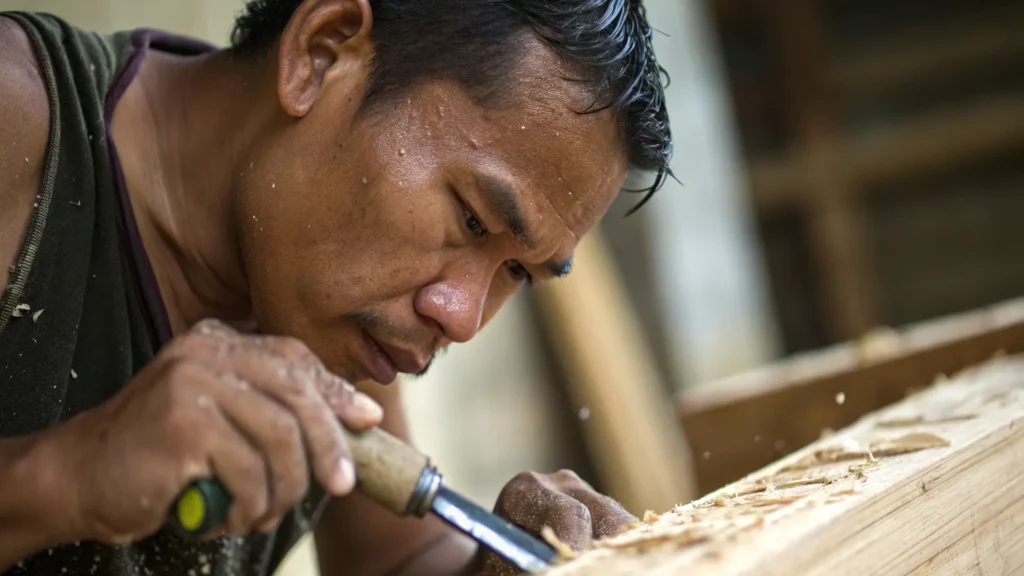
Support and cargo craft
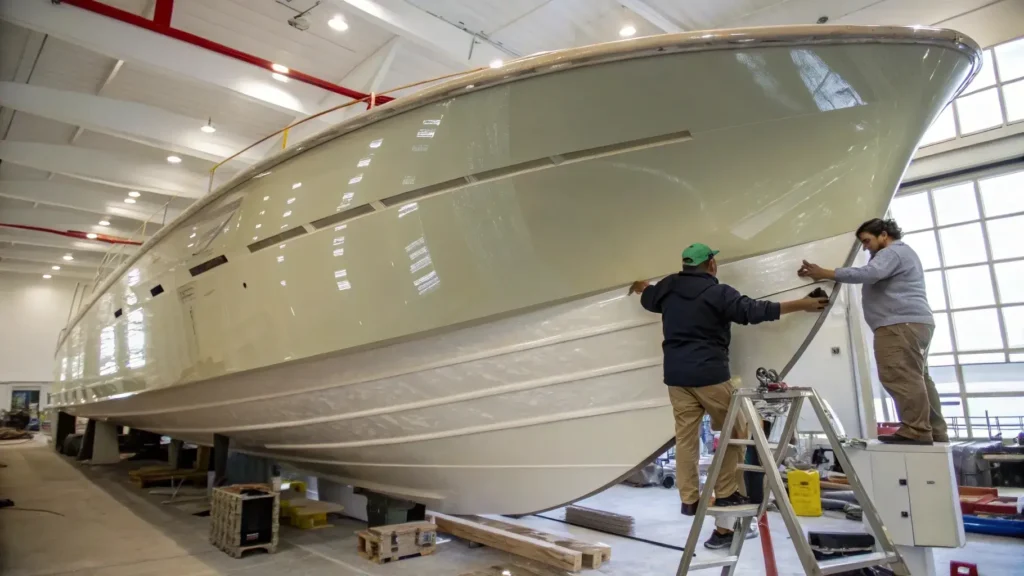
Island operations run on fuel, water, gas, provisions and construction materials, and the boats that move them are usually the most neglected part of a fleet. A purpose-built supply workboat with a flat, drained cargo deck, proper tie-down points, sensible tank arrangements and enough freeboard to cross safely when loaded will pay for itself in avoided losses and cancelled trips. Where cargo and passengers must share a hull, the layout has to separate them properly rather than stacking drums beside guests.
Research, monitoring and patrol vessels
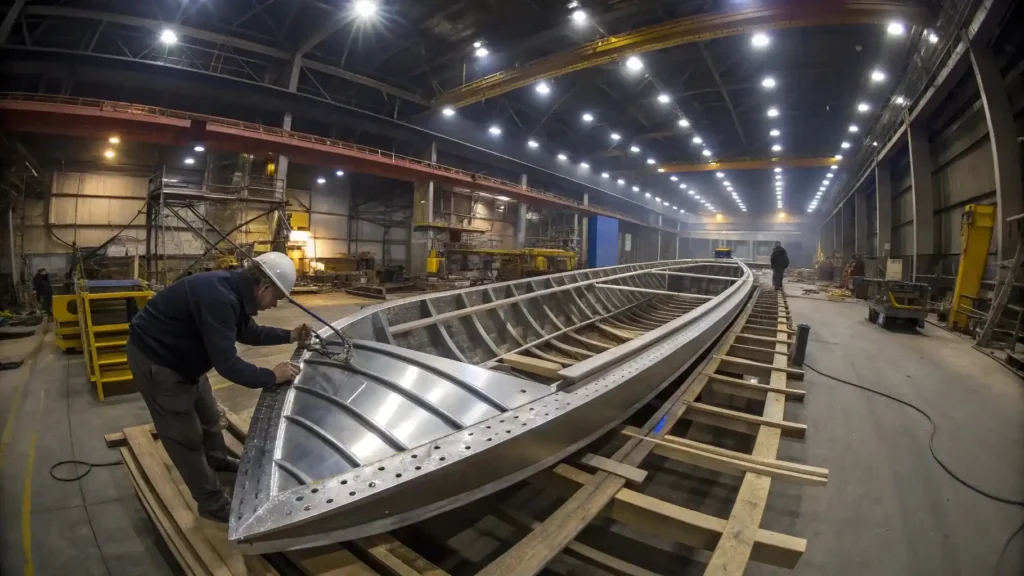
Conservation programmes, coral monitoring teams and ranger patrols need a different specification again: endurance rather than speed, a working deck with equipment stowage, quiet running for wildlife observation, and the ability to stay out overnight. These builds prioritise fuel range, reliable communications and simple, robust systems that a field team can maintain themselves.
Ownership, partnership and finance
Many Raja Ampat boats are owned through partnerships between local families and operators, or funded by an investor with an operator running the vessel on a revenue share. These structures work when the roles, maintenance responsibility and replacement reserve are written down before the boat is ordered. We discuss the common models in business models for local investors and financing options and partnerships.
Permits and safety
Carrying paying passengers requires registration, safety equipment and the applicable permits regardless of boat size. This is what allows a homestay boat to work with resorts, dive centres and agents, and it affects insurability. General overview: permits and certificates for new Raja Ampat tour boats. Always confirm current requirements with the relevant authority.

Enquire
Tell us guest numbers, routes and budget in USD: +62 811 3941 4563 or bd@juaraholding.com. Related: Waisai and Dampier Strait builds and speedboats and tenders.
Frequently Asked Questions
Does Raja Ampat Boat Builder cover research vessel or patrol boat new-builds?
Yes. Research, coral monitoring and ranger patrol craft are part of the programme. These builds prioritise endurance over speed, a usable working deck with equipment stowage, quiet running for wildlife observation, reliable communications and systems a field team can maintain without outside support.
Berapa biaya membangun kapal homestay di Raja Ampat?
Kisaran indikatif untuk kapal homestay 8 sampai 10 meter dengan satu mesin tempel, kanopi penuh dan kapasitas 8 sampai 12 tamu adalah USD 25.000 hingga 60.000. Kapal harian yang lebih besar 11 sampai 13 meter dengan dua mesin berada di kisaran USD 70.000 hingga 150.000. Angka final bergantung pada mesin, bahan lambung dan tingkat penyelesaian.
Can local Papua investors partner with operators to build a new tour boat?
Yes, and it is common. Typical structures involve a local investor funding the new-build while a professional operator runs the vessel on a revenue share or charter arrangement. These work when responsibility for maintenance, crewing and a replacement reserve is written down before the boat is ordered.
What size boat should a homestay business build?
Size to the demand that actually exists, not to the demand you hope for. Fuel and crew costs scale with the hull rather than with bookings, so a smaller boat that runs full most days will usually out-earn a larger boat that runs half full.